Christmas Cruise 2026: Sailing for Science in the Caribbean
December 15–21, 2026 | Tortola, BVI to Humacao, Puerto Rico
Aboard R/V Dawn • Sustainable Seas Institute
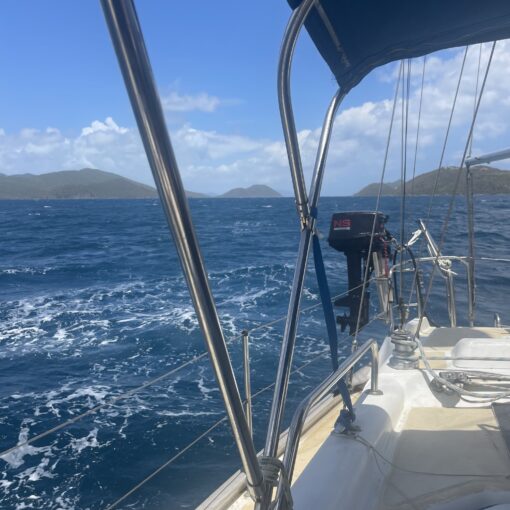
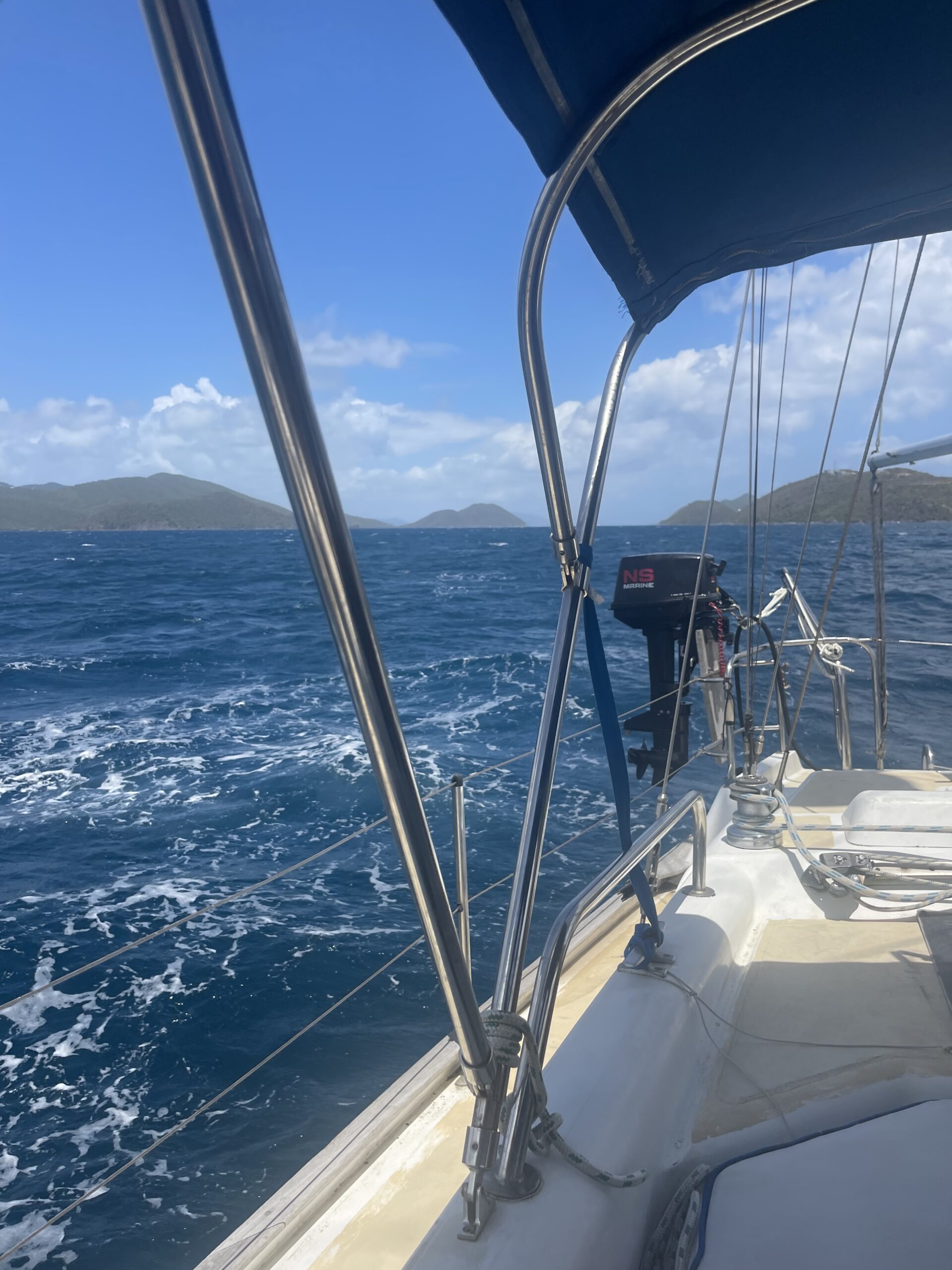
This December, R/V Dawn sets sail through some of the most beautiful — and most threatened — waters in the Atlantic basin. What looks like a holiday cruise is also a science mission: six days of microplastics sampling, community outreach, and citizen science across the British and U.S. Virgin Islands and Puerto Rico.
The Crew
Four crew members are aboard for this voyage. Roger Tipton (Captain) and Henry depart first, sailing from Soper’s Hole Marina in Tortola on December 17 after a layover day in Virgin Gorda. Rachel and Jackie join the crew at Soper’s Hole, arriving by ferry and taxi later that day. From there, the full team is together for the five-leg passage south and west to Puerto Rico.
The Route
| Date | Leg | Distance | Est. Passage |
|---|---|---|---|
| Dec 15 | Arrive Tortola — Road Town Ferry to Virgin Gorda | — | Transit day |
| Dec 16 | Virgin Gorda layover & provisioning | — | Rest day |
| Dec 17 | Tortola (Soper’s Hole) — crew rendezvous | — | Arrival day |
| Dec 18 | Soper’s Hole → Jost Van Dyke (Great Harbour) | ~5 nm | ~1 hr |
| Dec 19 | JVD → St. Thomas, USVI | ~18 nm | ~3 hrs |
| Dec 20 | St. Thomas → Culebra, PR | ~27 nm | ~4.5 hrs |
| Dec 21 | Culebra → Safe Harbor Marina, Humacao | ~26 nm | ~4.5 hrs |
Sailing for Science: Microplastics in the Caribbean
The Caribbean Sea sits at a convergence of ocean gyres and shipping lanes that concentrate floating debris — including the microplastics that have become a defining pollution challenge of our era. R/V Dawn is equipped for manta trawl sampling, which skims the sea surface to collect particles smaller than 5 mm. Each trawl produces a snapshot of the plastic load at that location and depth. Over multiple legs, those snapshots build into a spatial picture of how concentration varies from the BVI to Puerto Rico.
Near-shore sampling rounds out the picture. While anchored at Jost Van Dyke, St. Thomas, and Culebra, the team collects water samples from the shoreline and seabed. These samples capture a different particle size distribution and help us understand how land-based sources — storm runoff, wastewater, marine debris — contribute to the regional load. All data is georeferenced and contributed to the GOCOS Caribbean sampling network.
Every leg is a data point. Every anchorage is an opportunity to look at what is washing up — and to talk with the people who live with it.
Community Outreach Along the Way
Science that stays on the boat doesn’t change anything. Part of SSI’s mission on this cruise is direct engagement with the communities we sail through.
At Jost Van Dyke, we plan informal outreach with local marina staff and beach-side businesses — sharing what we find in the water and talking about where the plastic comes from. JVD has no large population but sees intense boat traffic during the holidays, making it an interesting case study in tourism-driven marine pollution.
In St. Thomas, we expect to connect with the University of the Virgin Islands marine science program and local environmental groups. St. Thomas is the most urbanized stop on the route and shows the highest near-shore plastic load of any USVI sampling station in prior SSI work.
Culebra is a first for SSI. This small Puerto Rican island municipality sits between the Spanish Virgin Islands and the main island of Puerto Rico, in a location that makes it a natural aggregation point for debris drifting on the North Equatorial Current. This cruise establishes the first SSI sampling baseline at Culebra — a station that will anchor future monitoring in this understudied stretch of water.
What Comes Next
R/V Dawn will overwinter at Safe Harbor Marina in Humacao, Puerto Rico — positioned for the next phase of SSI Caribbean operations in early 2027. The microplastics samples collected on this cruise will be processed and contributed to the growing GOCOS dataset, with findings shared publicly through SSI’s data portal. The Culebra baseline data will be incorporated into an upcoming site-specific analysis supported by NSF Award 2444939.
If you are interested in joining a future SSI research cruise or supporting our work in the Caribbean, please reach out.
Sustainable Seas Institute (SSI) is a 501(c)(3) nonprofit organization (EIN 33-4547966) dedicated to ocean health research and education. R/V Dawn is SSI’s primary research vessel. The GOCOS Caribbean microplastics monitoring network is supported in part by NSF Award 2444939.