Research
Tracking forever chemicals and microplastics across the world’s oceans
SSI builds baseline data on two of the most persistent pollutants in the ocean: PFAS and microplastics. We sample from R/V Dawn and with partner expeditions, analyze samples in the lab, model how contamination moves, and publish everything openly.
Research focus
What we study
PFAS: forever chemicals
Per- and polyfluoroalkyl substances are synthetic chemicals that resist breaking down in the environment. We measure legacy and emerging PFAS in near-shore and open ocean water and track how concentrations change over time and place.
Microplastics
We count, identify, and characterize microplastic particles in seawater. A particle’s shape, not just its size or polymer, may shape its biological effects, so we quantify geometry with image analysis and shape descriptors.
Contaminant transport modeling
Using the MITgcm ocean circulation model, our team simulates how PFAS travel through ocean currents, including in the Arctic, and is developing machine learning methods to correct model predictions against field data.
How we work
From seawater to open data
1. Field sampling
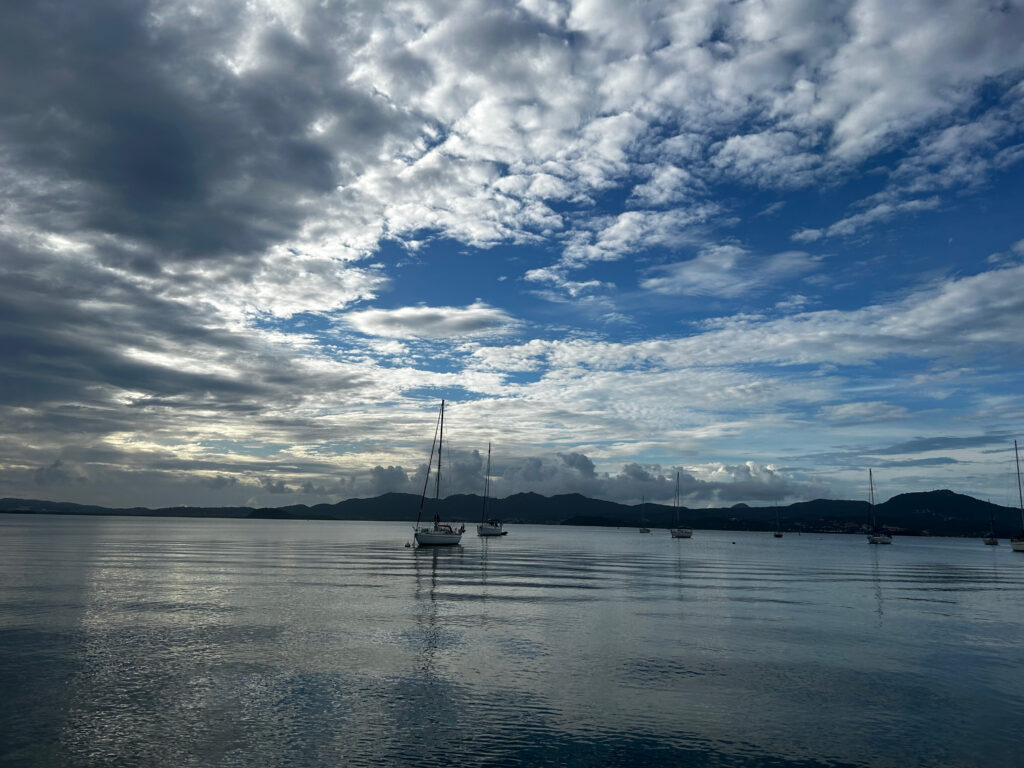
R/V Dawn, a 39-foot sailing research vessel, reaches small harbors and near-shore waters across the Caribbean where contamination from land meets the sea. Partner expeditions extend our sampling to the Arctic and, this November, the Baltic Sea.
2. Laboratory analysis
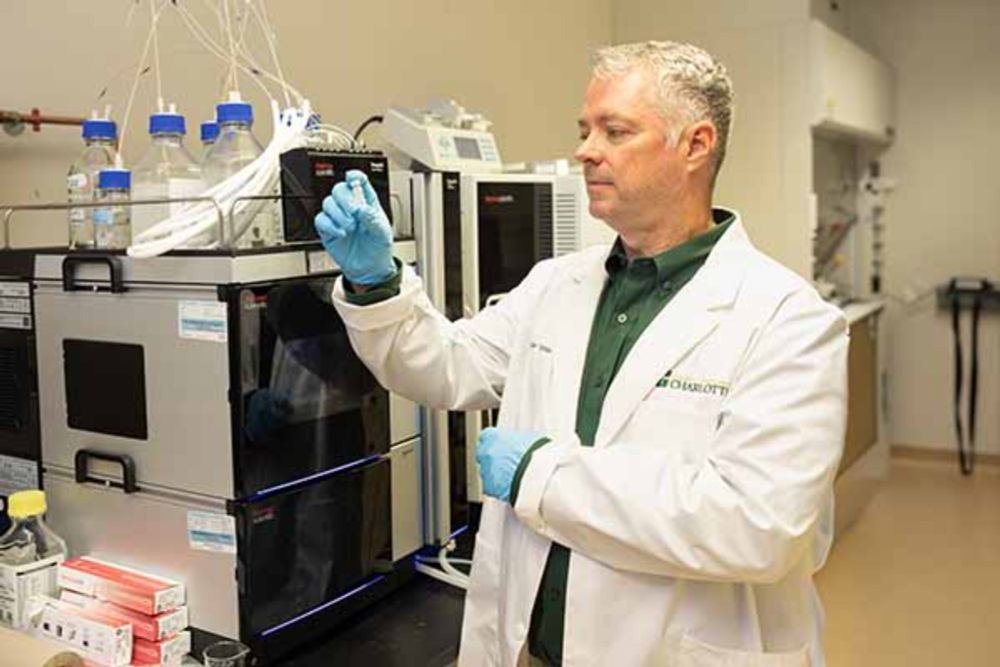
Samples return to the Performance Materials Laboratory at UNC Charlotte, where researchers measure PFAS concentrations and isolate and characterize microplastic particles.
3. Open data in GOCOS
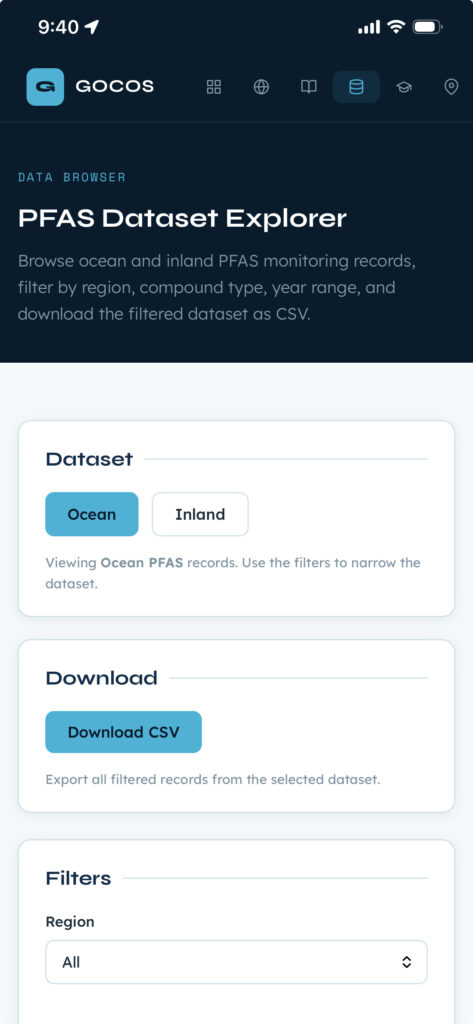
Results go into GOCOS, the Global Ocean Contamination Open-Source Ecosystem, a free platform with an interactive map of sampling stations and live access to PFAS datasets for the ocean, inland waters, and the Arctic.
Where we sample
Research regions
Caribbean
Our home waters. R/V Dawn has sampled Martinique, St. Lucia, Dominica, Les Saintes, Guadeloupe, St. Martin, and the British Virgin Islands. Next: the British Virgin Islands to the Dominican Republic, December 16 to 30, 2026.
Arctic
A remote reference for what reaches the far north. Arctic PFAS sampling and modeling are part of a collaboration with Dr. Rainer Lohmann of the University of Rhode Island.
Baltic Sea
A semi-enclosed, heavily used sea. Dr. Ulyana Horodyskyj Pena of Science in the Wild will sample it for microplastics November 14 to December 3, 2026.
Results
Publications and presentations
SSI researchers publish datasets and present results at national meetings, including two presentations at the 2026 American Geophysical Union Annual Meeting on global PFAS trends and Arctic PFAS transport modeling.
Field dispatches
Latest research news
- From the Baltic to the Bench: Ulyana Pena Samples for Microplastics
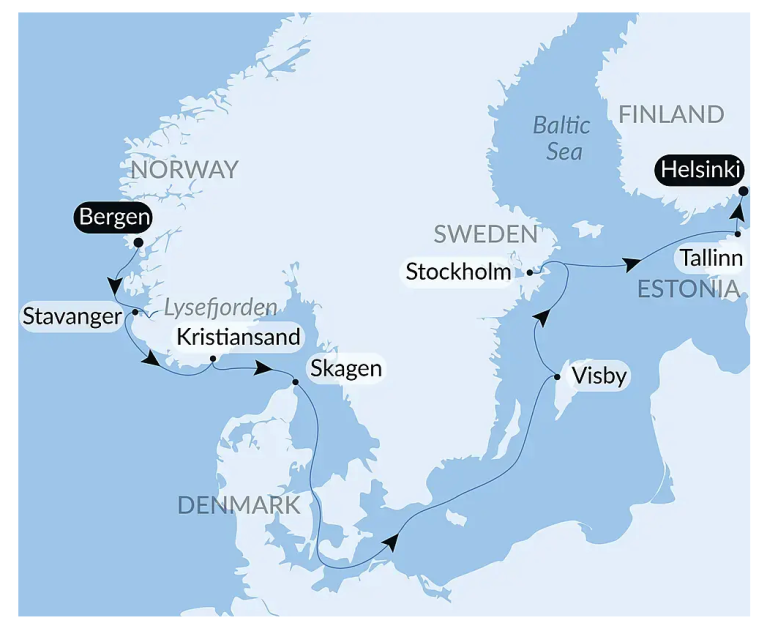 On November 7, PML collaborator Ulyana Pena of the University of Colorado Boulder and Science in the Wild sets off for northern Europe, taking our microplastics work with her to sample the Norwegian coast and the Baltic Sea.
- From St. Martin to the British Virgin Islands: R/V Dawn’s Latest Research Passage
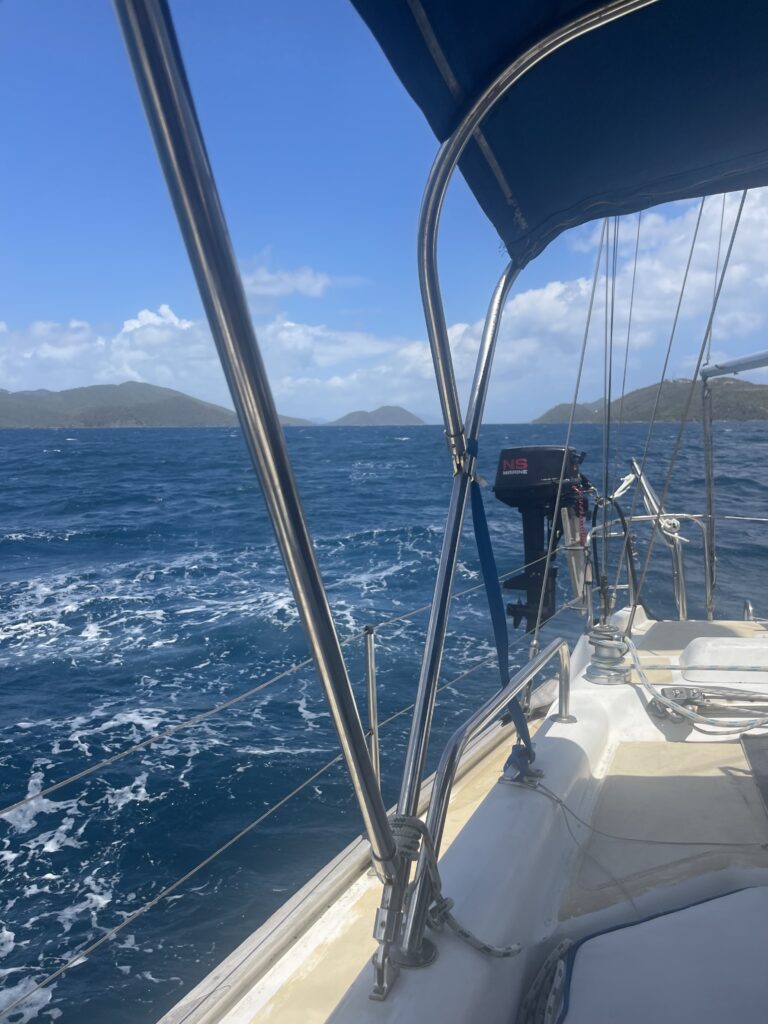 At the Sustainable Seas Institute, our ocean research is a cornerstone of our commitment to understanding and preserving marine ecosystems. We delve into the complexities… Read more: From St. Martin to the British Virgin Islands: R/V Dawn’s Latest Research Passage
- GOCOS Is Live: A New Open Platform for Global Ocean Contamination Science
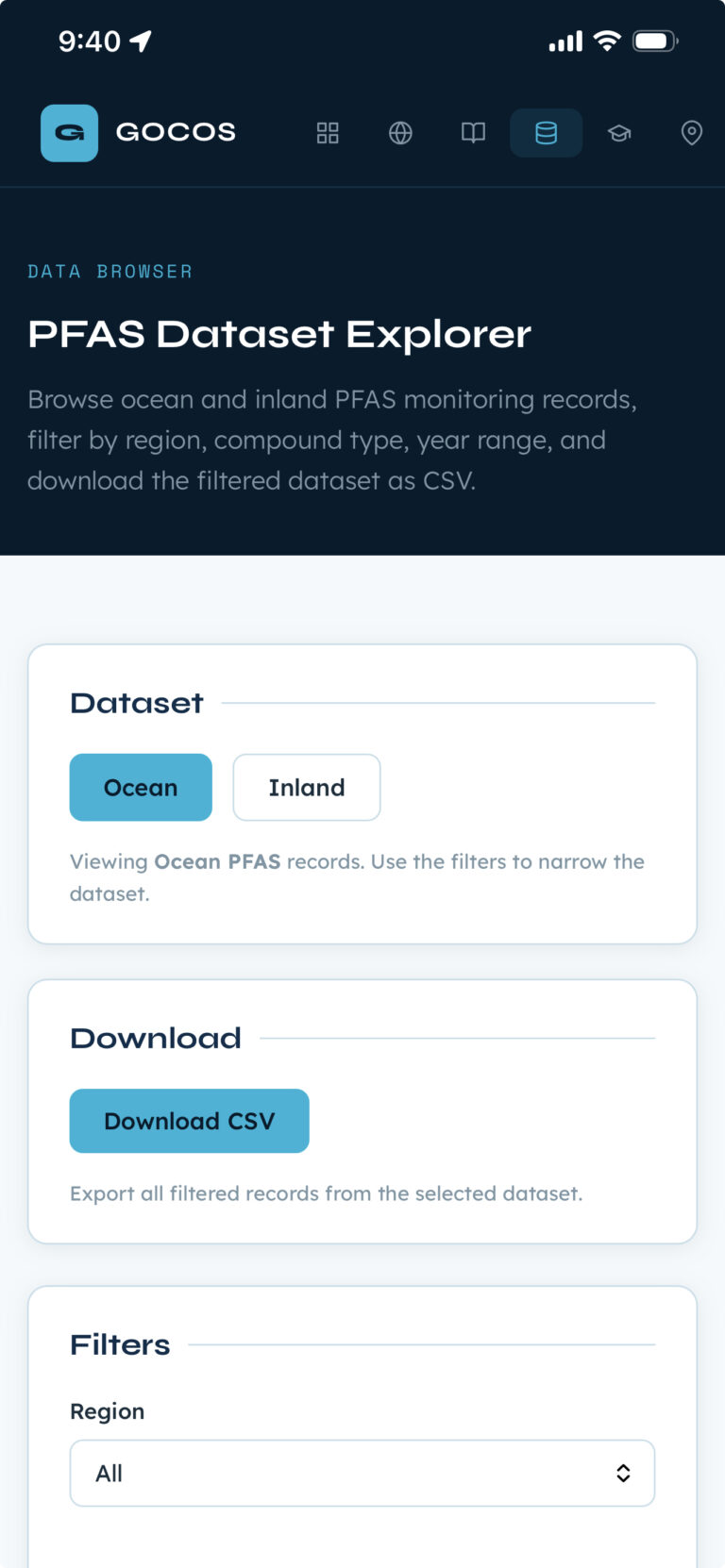 Today the Sustainable Seas Institute is proud to announce the public launch of GOCOS — the Global Ocean Contamination Open-Source Ecosystem — at gocos-app.vercel.app. GOCOS… Read more: GOCOS Is Live: A New Open Platform for Global Ocean Contamination Science
- From the Caribbean to the South Pacific: Expanding the Search for a Global Baseline
 Following our successful campaign in the Caribbean, the Sustainable Seas Institute is turning its gaze to the South Pacific. We are preparing for a new… Read more: From the Caribbean to the South Pacific: Expanding the Search for a Global Baseline
- Mission Report: Success in the Lesser Antilles
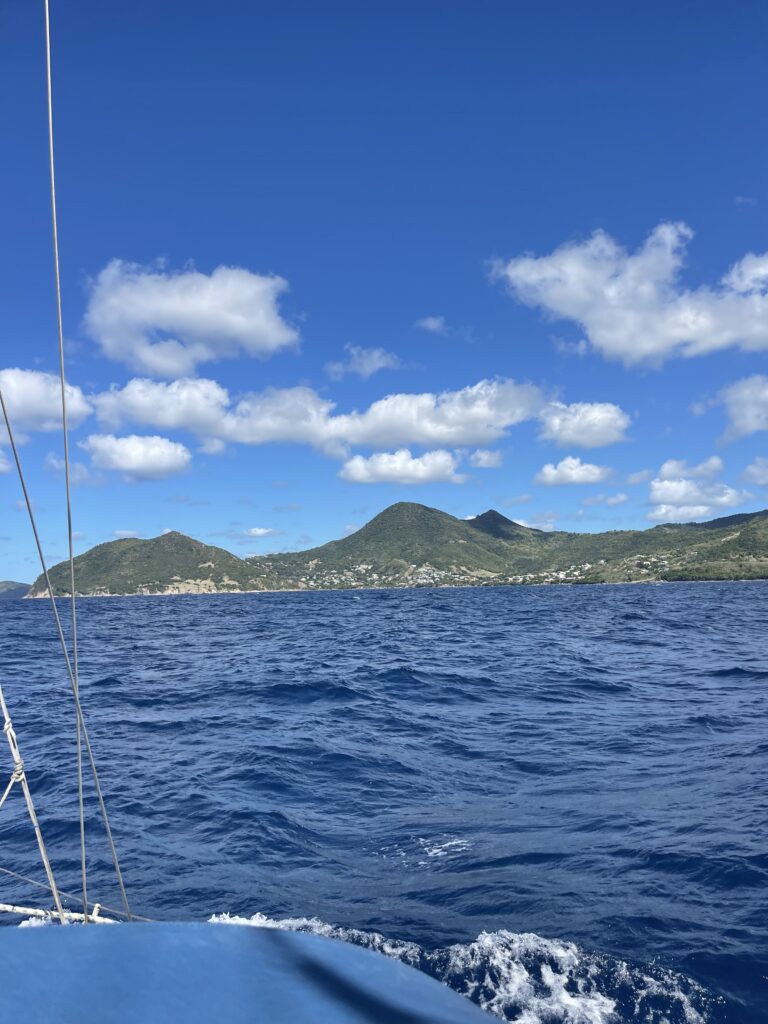 The Sustainable Seas Institute team has returned safely from our ten-day expedition through the Lesser Antilles, and I am thrilled to report that the mission… Read more: Mission Report: Success in the Lesser Antilles
- Heading into the New Year: Sustainable Seas Institute Caribbean Expedition
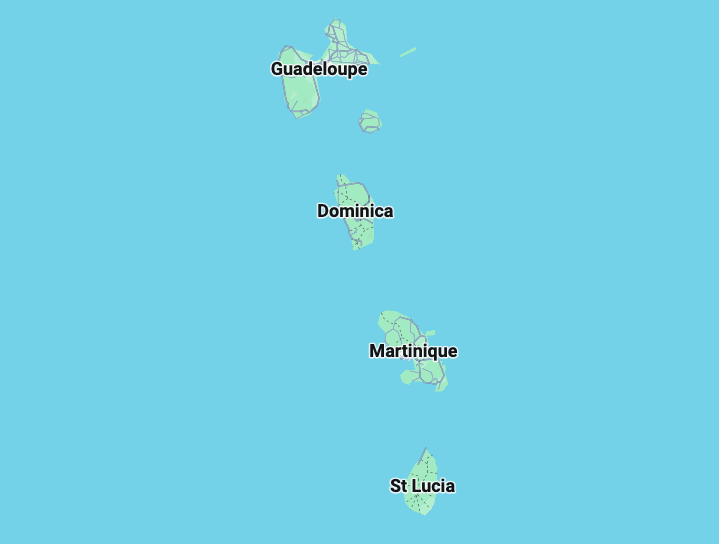 From December 30 to January 8, the Sustainable Seas Institute team will be heading into the Lesser Antilles for a multi-island expedition across St. Lucia,… Read more: Heading into the New Year: Sustainable Seas Institute Caribbean Expedition
Collaborate with us
Researchers, institutions, and expedition operators can partner with SSI on sampling, analysis, modeling, or data sharing.